
Cottagecore to Techwear: Exploring the Aesthetics That Define Gen Z
Cottagecore to Techwear: Exploring the Aesthetics That Define Gen Z
In the ever-evolving world of fashion, no generation has embraced style diversity quite like Gen Z. Born roughly between the mid-1990s and early 2010s, Gen Z is redefining what fashion means—mixing nostalgia, innovation, and personal expression. Rather than committing to a single look, Gen Z leans into aesthetics, using clothing as a way to communicate values, moods, and digital identities.
One of the most prominent trends is cottagecore. Inspired by an idealized rural lifestyle, cottagecore features flowing dresses, puff sleeves, floral prints, and soft color palettes. It gained traction during the pandemic, when many young people sought comfort and escapism in the idea of a slower, nature-connected life. Influencers, Pinterest boards, and TikTok helped elevate this aesthetic into a cultural moment. Beyond clothing, cottagecore also embraces handmade crafts, gardening, and a romantic view of the past.
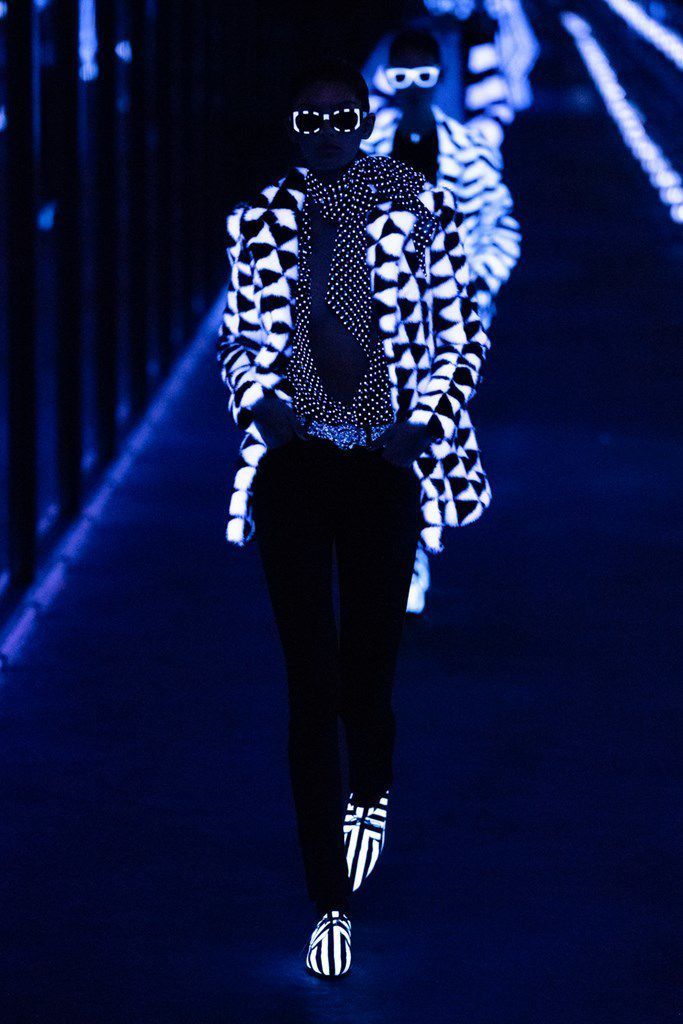
On the other end of the spectrum is techwear. This futuristic, function-first style blends urban utility with high-performance materials. Characterized by dark colors, tactical accessories, and layering, techwear represents a desire for innovation, adaptability, and a cyberpunk edge. It’s fashion built for movement, protection, and aesthetic rebellion, often influenced by video games, anime, and streetwear. For many Gen Z fashion lovers, techwear feels like the uniform of a digitized, post-apocalyptic world.
The rise of these two very different aesthetics reveals Gen Z’s unique ability to shift between worlds. While cottagecore embraces the past, techwear looks to the future. Gen Z isn’t choosing between them—they’re wearing both, depending on the day, mood, or message they want to send. Fashion is no longer just about trends; it’s about identity, storytelling, and subcultures.
Social media plays a key role in the spread of these aesthetics. Platforms like TikTok and Instagram have made it easier than ever to discover new styles, build communities around them, and participate in global conversations about fashion. What once required a designer’s runway show now begins with a smartphone and a well-lit bedroom mirror.
As the fashion industry tries to keep up, brands are learning to adapt. They’re not just designing clothes—they’re designing for micro-audiences with strong opinions and short attention spans. The brands that succeed are the ones that listen, collaborate, and allow space for individual expression.
From cottagecore to techwear, Gen Z is proving that style is fluid, personal, and endlessly creative. In this generation, fashion isn’t about fitting in—it’s about standing out, experimenting, and reshaping the rules.