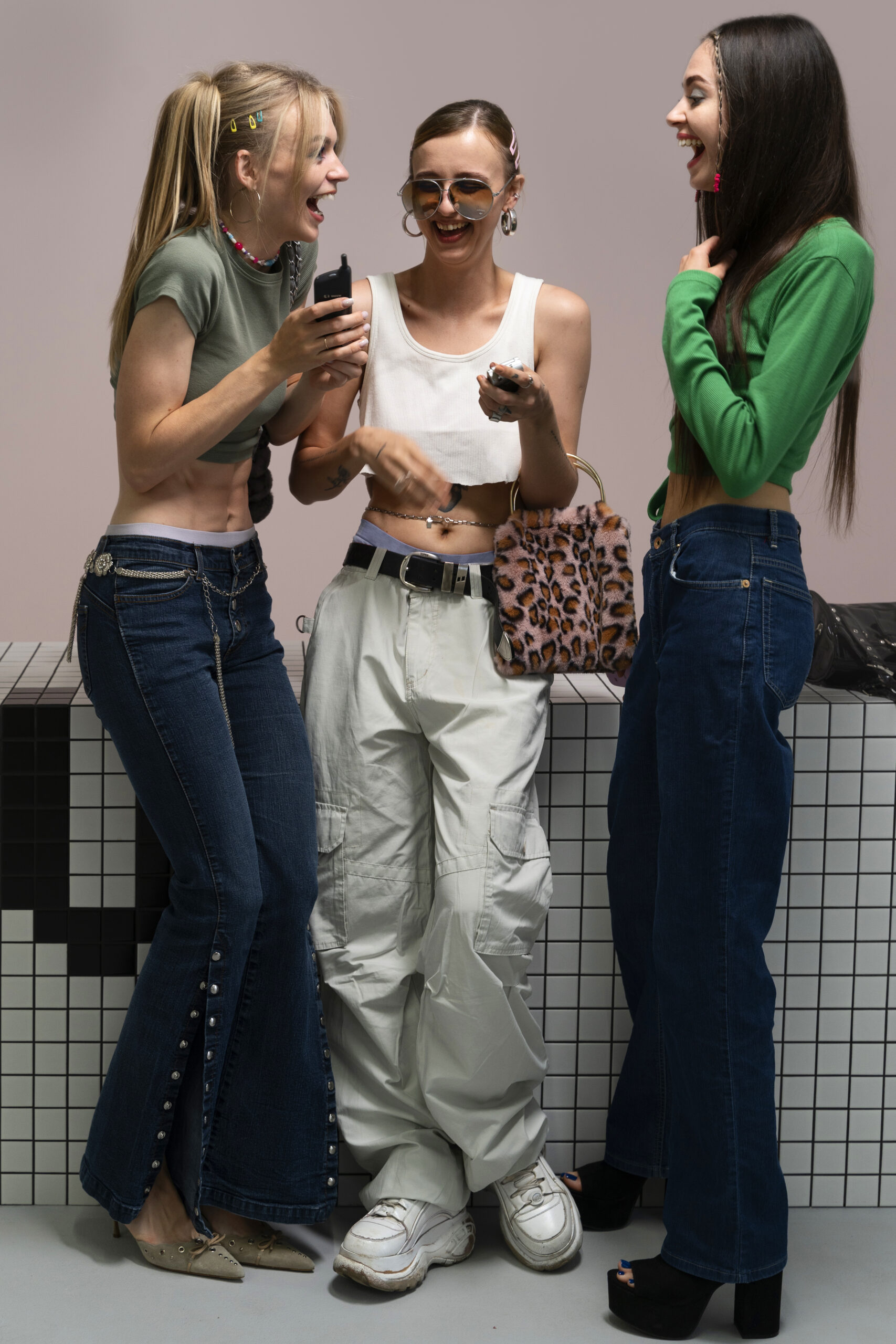
The Return of Y2K: Why 2000s Fashion Is Still Trending
The 2000s were once mocked for their low-rise jeans, shiny lip gloss, and rhinestone everything. Today, that same aesthetic is not only accepted but celebrated. From TikTok influencers to haute couture runways, the Y2K fashion revival is more than just a nostalgic fling—it’s a full-blown cultural reset.
At the heart of the trend lies an unapologetic embrace of maximalism. Think butterfly clips, baby tees, baguette bags, and tinted sunglasses. These aren’t just accessories—they’re statements. Brands like Blumarine, Diesel, and Miu Miu have reinterpreted early-aughts silhouettes with a modern edge, while Gen Z consumers continue to resurrect pieces once left in the back of the closet. The demand is high, and resale platforms like Depop, Vestiaire Collective, and Grailed have become treasure troves for vintage Juicy Couture tracksuits and bedazzled denim.
But this revival isn’t just about aesthetics. It taps into a deeper cultural mood—a longing for a pre-social media era, where fashion was playful, experimental, and rooted in personal expression rather than algorithm-driven influence. In an age dominated by minimalism and muted tones, the Y2K resurgence dares to be loud.
Celebrity influence is, as always, a major driver. Icons like Bella Hadid, Dua Lipa, and Olivia Rodrigo have embraced the throwback look, blending archive designer pieces with thrifted finds. Their street style nods to Paris Hilton’s paparazzi-era wardrobe, but with updated tailoring and intentional styling. Meanwhile, newer fashion houses are integrating Y2K elements into their collections, often with a sustainable twist—repurposing vintage pieces or producing limited runs to reduce waste.
Digital culture also plays a critical role. The aesthetic appeal of Y2K fashion is uniquely suited to platforms like Instagram, TikTok, and Pinterest, where visual impact is key. Metallic textures, exaggerated silhouettes, and bold logos instantly grab attention and lend themselves to viral content. For younger audiences, Y2K style offers both a novelty and a sense of identity—clothing that stands out in a sea of digital sameness.
This isn’t the first time fashion has looked back to move forward. The 70s had their disco revival in the 90s. The 80s made a comeback in the early 2000s. Now, the 2000s are having their moment, and it’s not slowing down anytime soon. With each reimagining, designers and stylists are not just recreating the past—they’re rewriting it, infusing it with fresh perspective and relevance.
Ultimately, the Y2K trend is about more than nostalgia. It’s about reclaiming joy, experimenting with identity, and rejecting the rules. In a world that feels increasingly uncertain, the freedom and fun of early-2000s fashion offer something rare: the chance to dress like no one’s watching—even when everyone is.